Tennis Goes Pink: Shannon Sommers' Story of Strength, Friendship, and Hope
How the tennis community helped one Grand Strand woman through breast cancer.
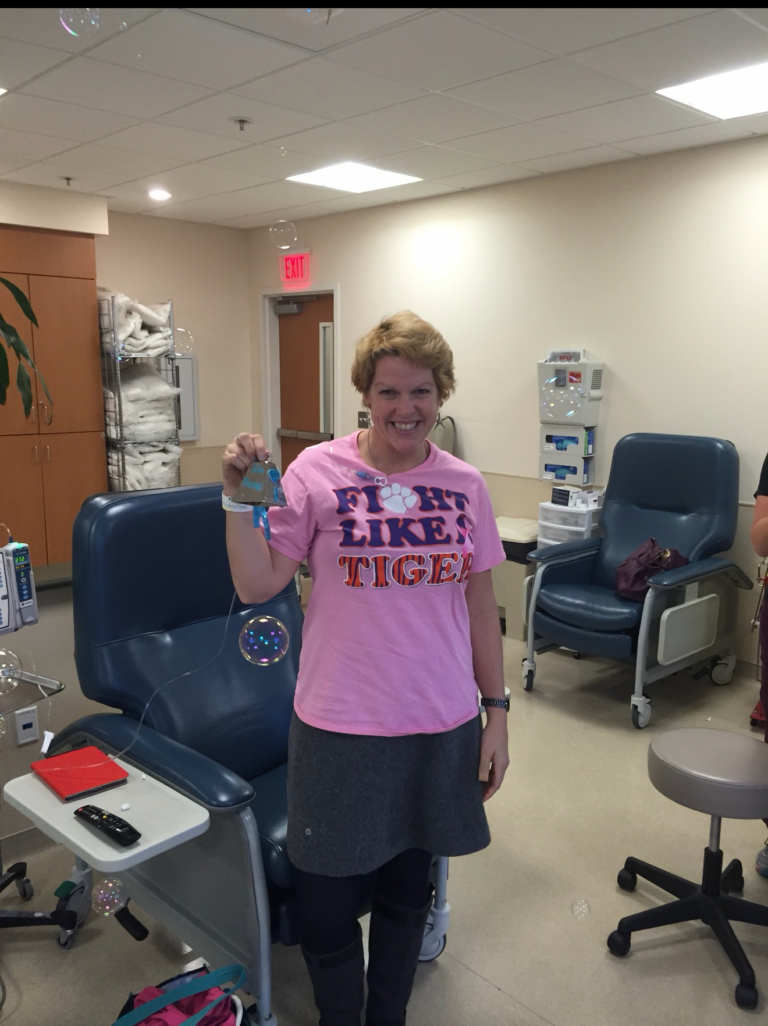
For Shannon Sommers, tennis became much more than a sport. It became a source of strength, friendship, and normalcy during one of the most difficult periods of her life.
“Sometimes, the greatest support isn’t a grand gesture. It’s a text message asking you to come play tennis.”
— Shannon Sommers
More Than a Game
“Tennis was almost my vice during treatment,” Shannon explains. “It gave me a reason to get out of the house, get on the court, and feel a little bit like myself, even on days when I wasn’t feeling very good.”
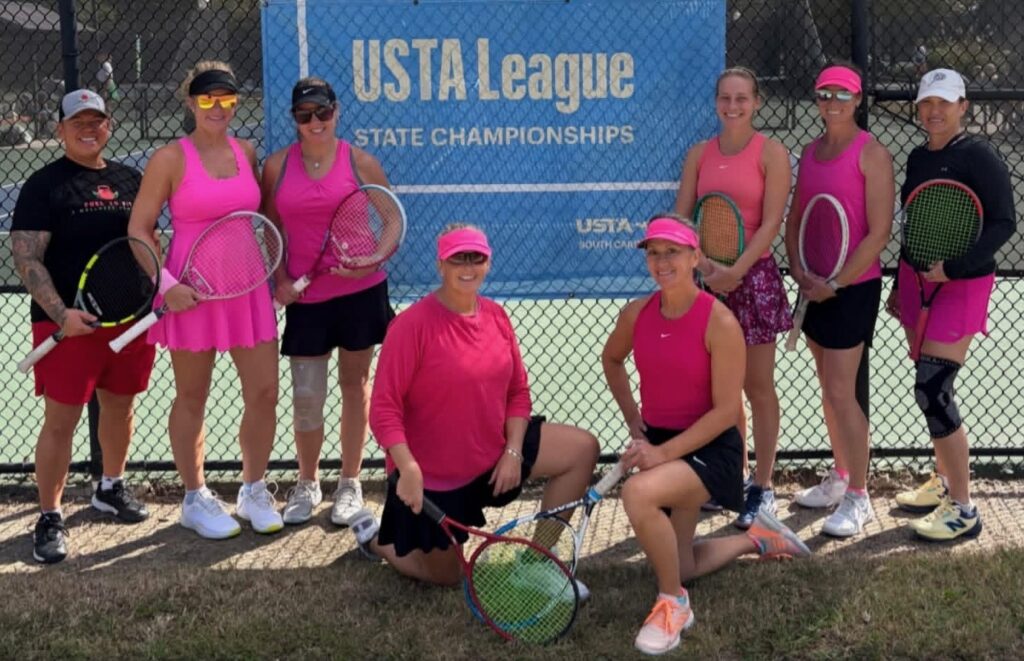
Shannon began playing at Wachesaw Plantation, where she discovered something that would become just as important as the sport itself: an extraordinary group of women who refused to let her face her journey alone.
They texted her, checked on her, and encouraged her to come play—even on days when she wasn’t feeling up to it.
Those invitations might have seemed small, but to Shannon, they meant everything.
“When you’re going through cancer treatment, there are days when you don’t have much energy, and it’s easy to withdraw from the world,” she shares. “Those women gave me a reason to get dressed, leave the house, and do something normal.”
They didn’t need to have the perfect words. They simply made sure she knew she belonged.
“Sometimes, the greatest support isn’t a grand gesture. It’s a text message asking you to come play tennis.”
Although Shannon no longer plays regularly at Wachesaw Plantation because she lives in Myrtle Beach rather than Murrells Inlet, she still enjoys returning to visit the women who helped her through that difficult chapter.
“I will always be grateful to them,” she says.
Friendships That Last Beyond the Court
Today, Shannon plays at Rivers Lynch Tennis Center and Prestwick, where she continues to experience the friendships and sense of community that first drew her to tennis.
Having participated in other sports throughout her life, Shannon never expected to develop such meaningful friendships through adult team competition.
Before tennis, surfing had been one of her primary athletic passions. Tennis introduced something different: the opportunity to combine her love of sports with the camaraderie of being part of a team.
The connections she has made at Rivers Lynch and Prestwick are every bit as special to her as those she formed at Wachesaw Plantation.
For Shannon, those relationships are proof that tennis offers something far beyond exercise or competition. It creates a community that can lift people up when they need it most.
A Message Every Woman Should Hear
As Breast Cancer Awareness Month reminds us of the importance of early detection, Shannon hopes her experience will encourage other women to take their health seriously.
“My biggest message is: Please don’t skip your annual appointments with your doctor,” she emphasizes.
Shannon was just 38 when she received her diagnosis. Because she was younger than 40, she had to challenge her insurance company to obtain coverage for her mammogram.
Her cancer was diagnosed at stage 2, and she believes keeping up with her regular medical appointments made an important difference.
She encourages women to advocate for themselves, ask questions, and discuss appropriate screening recommendations with their healthcare providers based on their age and individual risk.
“Don’t let your age or an insurance obstacle discourage you from following up on a concern,” she advises.
Her message extends beyond screenings. Shannon also wants people to understand how meaningful even the smallest act of kindness can be to someone facing cancer.
A phone call. A text message. An invitation to play.
“You don’t need to have the perfect words or know exactly what to do,” she says. “Sometimes, a simple text, an invitation to play tennis, or just letting someone know they are thought of can make a tremendous difference.”
Finding the Silver Lining
Looking back, Shannon sees tennis as one of the unexpected gifts that emerged during a difficult time.
The women who encouraged her to keep playing gave her more than exercise or a distraction. They gave her friendship, encouragement, normalcy, and a place to belong.
Today, Shannon continues enjoying the sport she discovered shortly before her diagnosis, grateful for the relationships that have become such an important part of her life.
Her story is a reminder of what makes the Grand Strand tennis community special. We come together because we love the game, but the friendships we build can carry us through life’s greatest challenges.
And Shannon leaves us with one final message:
“Last but not least, always look for the silver lining.”
The Grand Strand Tennis Foundation thanks Shannon Sommers for sharing her personal journey and reminding us that the strength of our tennis community is measured not only in matches won, but in the ways we support one another—on and off the court.